
Plastic pollution has become one of the biggest environmental challenges in the world today. From oceans filled with waste to harmful effects on wildlife and human health, the impact of plastic is everywhere.
The good news? You don’t need to completely change your life overnight. By taking small, practical steps, you can gradually move towards a plastic-free lifestyle and make a real difference.
Why Choose Plastic-Free Living?
Living plastic-free is not just a trend—it’s a responsible choice for a healthier planet and a better future.
Here are some key reasons to reduce plastic use:
- Reduces environmental pollution
- Protects marine life and wildlife
- Minimizes health risks from harmful chemicals
- Saves natural resources
- Promotes sustainable living
Common Sources of Plastic in Daily Life
Before reducing plastic, it’s important to identify where it is most commonly used:
- Plastic bags and packaging
- Water bottles
- Food containers and wrappers
- Straws and disposable cutlery
- Personal care product packaging
Understanding these sources helps you replace them with better alternatives.
Easy Steps to Start a Plastic-Free Lifestyle
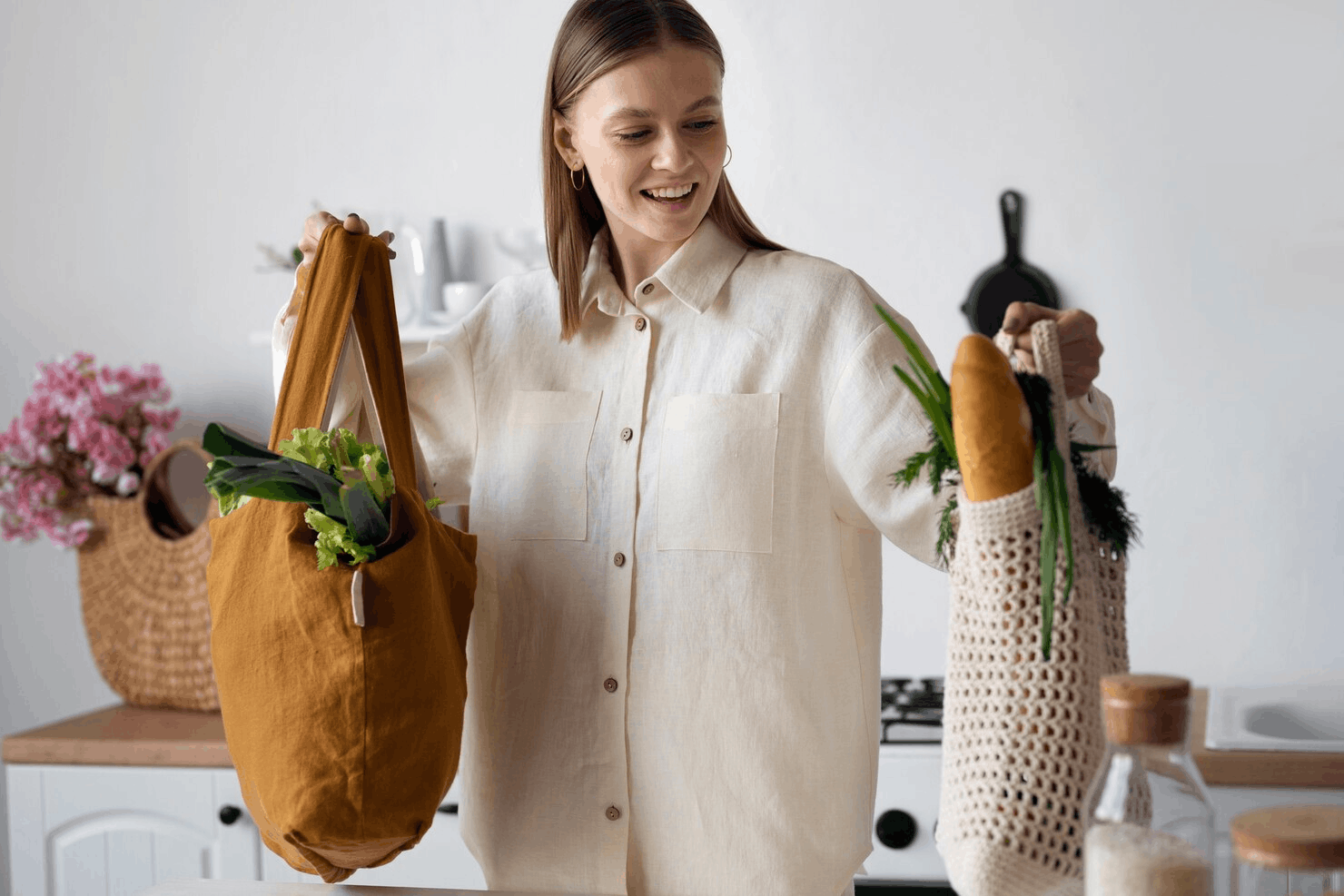
1. Switch to Reusable Bags
Plastic bags are one of the biggest contributors to pollution.
What to do:
- Carry cloth or jute bags while shopping
- Keep a reusable bag in your car or backpack
2. Use Refillable Water Bottles
Single-use plastic bottles create massive waste.
Better choice:
- Use stainless steel or glass bottles
- Refill instead of buying new bottles daily
3. Avoid Disposable Items
Items like straws, cups, and cutlery are used once and thrown away.
Simple swaps:
- Use metal or bamboo straws
- Carry reusable cutlery
- Choose ceramic or steel cups
4. Choose Eco-Friendly Packaging
Many products come wrapped in plastic unnecessarily.
Smart habits:
- Buy products with minimal or no packaging
- Choose paper, glass, or metal packaging
- Support brands that use sustainable materials
5. Shop Smart for Groceries
Grocery shopping is a major source of plastic use.
Tips:
- Buy in bulk when possible
- Use your own containers
- Avoid pre-packaged fruits and vegetables
Plastic-Free Kitchen Tips
Your kitchen is one of the easiest places to start reducing plastic.
- Replace plastic containers with glass or steel
- Use cloth wraps instead of plastic wrap
- Store food in reusable jars
- Avoid packaged snacks
Bathroom and Personal Care Swaps
Plastic is widely used in personal care products, but alternatives are available.
- Use bamboo toothbrushes
- Switch to soap bars instead of liquid body wash
- Choose shampoo bars
- Avoid products with microplastics
Challenges of Going Plastic-Free
Starting a plastic-free lifestyle can feel challenging at first.
Common challenges:
- Limited availability of alternatives
- Slightly higher initial cost
- Breaking old habits
Solution: Start small and stay consistent. Every step counts.
Benefits of Plastic-Free Living
Adopting a plastic-free lifestyle offers long-term benefits:
- Cleaner environment
- Healthier lifestyle
- Reduced waste at home
- Increased awareness of consumption habits
Best Practices for Plastic-Free Living
1. Start Gradually
Don’t try to eliminate all plastic at once. Replace items step by step.
2. Reuse What You Already Have
Use existing plastic items as long as possible instead of throwing them away.
3. Support Sustainable Brands
Choose companies that prioritize eco-friendly practices.
4. Spread Awareness
Encourage friends and family to adopt plastic-free habits.
Conclusion
Plastic-free living is not about perfection—it’s about making better choices every day. Even small changes, like carrying a reusable bag or avoiding single-use plastics, can have a big impact over time.
By taking simple and practical steps, you can reduce your plastic footprint and contribute to a cleaner, greener planet.
Start your plastic-free journey today—because every small action matters.