
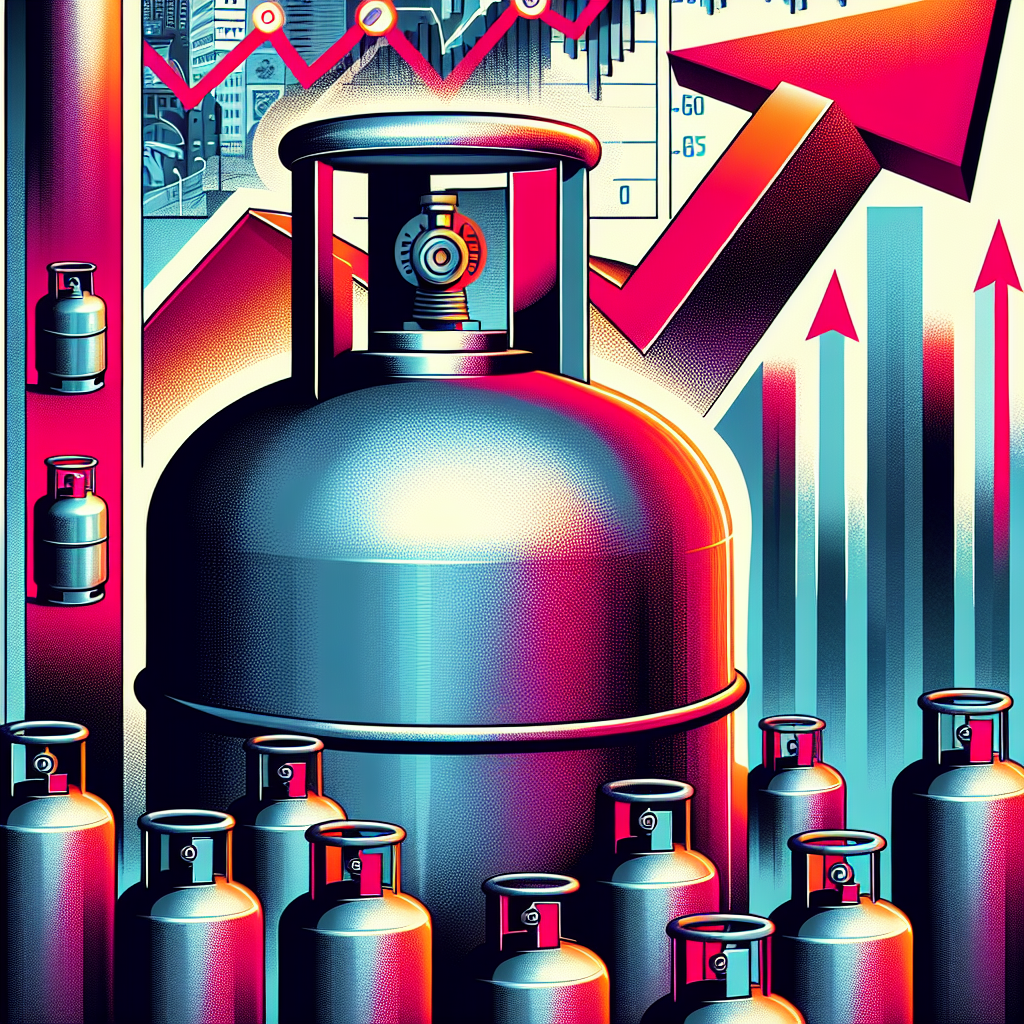
Gas Cylinder Price Hike: 5 Essential Reasons You Must Know
The recent gas cylinder price hike has left many households and businesses grappling with rising costs. Understanding the factors behind this increase can help consumers make informed decisions and adapt to the changing landscape of energy prices. In this article, we will explore the reasons for the gas cylinder price hike and its implications for consumers.
Understanding the Gas Cylinder Price Hike
Gas cylinders are a critical component of many households, providing energy for cooking and heating. The gas cylinder price hike is influenced by various factors, including global oil prices, supply and demand dynamics, and government policies. Let’s delve into these elements to get a clearer picture.
Global Oil Prices and Their Impact
One of the primary drivers of the gas cylinder price hike is the fluctuation in global oil prices. When crude oil prices rise, the cost of producing and transporting gas also increases. This can lead to higher prices for consumers. For example:
- Increased production costs due to higher crude prices.
- Transportation costs rising as fuel prices increase.
- Market speculation can lead to price volatility.
According to the U.S. Energy Information Administration, even minor shifts in global oil supply can dramatically affect local gas prices. Therefore, keeping an eye on international oil markets is essential for understanding the gas cylinder price hike.
Supply and Demand Dynamics
Supply and demand play a crucial role in determining gas prices. A surge in demand, especially during peak seasons, can lead to a price increase. Factors influencing demand include:
- Seasonal weather changes that affect heating needs.
- Economic growth leading to increased energy consumption.
- Population growth in urban areas driving up demand.
When demand outpaces supply, consumers often face a gas cylinder price hike. This situation can occur if production levels cannot keep up with the rising consumption rates.
Government Policies and Regulations
Government actions can significantly impact gas prices. Regulations related to environmental standards, taxation, and subsidies can all lead to changes in pricing. Some key points to consider include:
Taxation and Subsidies
In many countries, the government imposes taxes on gas sales, which can contribute to the gas cylinder price hike. Conversely, subsidies can help keep prices down. However, if a government decides to reduce subsidies or increase taxes, consumers may experience a sharp rise in gas costs.
Environmental Regulations
Stricter environmental regulations aimed at reducing carbon emissions can also impact gas prices. Compliance with these regulations often requires investments in cleaner technologies, which can lead to increased production costs. As a result, consumers may face higher prices at the pump and for gas cylinders.
Market Competition and Pricing Strategies
Another factor influencing the gas cylinder price hike is the level of competition among suppliers. In markets with limited competition, suppliers may have more leeway to set higher prices. Key considerations include:
- Monopolistic or oligopolistic market structures can lead to price fixing.
- Brand loyalty may prevent consumers from switching to cheaper alternatives.
- Promotions and discounts can temporarily alleviate price pressures.
Understanding the competitive landscape can help consumers navigate their options and potentially find better deals on gas cylinders.
Consumer Behavior and Price Sensitivity
Consumer behavior also plays a vital role in the gas cylinder price hike. Price sensitivity varies among consumers, influencing how they respond to price changes. Some consumers may:
- Seek alternative energy sources, such as electric stoves or induction cooktops.
- Adjust their consumption habits to reduce reliance on gas.
- Explore bulk purchasing options to lock in lower prices.
Understanding these behavioral trends can provide insight into how the market may react to future price hikes.
Strategies for Managing Rising Gas Prices
As consumers face the reality of the gas cylinder price hike, it’s essential to adopt strategies for managing these increased costs. Here are some effective approaches:
Consider Alternative Energy Sources
Exploring alternative energy sources can help mitigate the impact of rising gas prices. Options include:
- Electric stoves and ovens.
- Induction cooktops.
- Solar-powered cooking devices.
Transitioning to alternative energy can provide long-term savings and reduce dependence on gas.
Invest in Energy Efficiency
Improving energy efficiency in your home can lead to significant savings over time. Some ideas include:
- Using energy-efficient appliances.
- Sealing drafts and improving insulation.
- Regular maintenance of gas appliances to ensure optimal performance.
Implementing these strategies can help reduce overall energy consumption and counteract the effects of the gas cylinder price hike.
Stay Informed About Market Trends
Keeping abreast of market trends can help consumers anticipate price changes. Consider the following:
- Follow industry news and reports from reliable sources.
- Join community forums or groups to share insights and tips.
- Monitor local supplier prices regularly.
Staying informed empowers consumers to make proactive decisions regarding their energy consumption and budgeting.
: Navigating the Future of Gas Prices
The gas cylinder price hike is a complex issue driven by numerous factors, including global oil prices, supply and demand, and government policies. By understanding these elements and implementing effective strategies, consumers can better navigate the challenges posed by rising gas prices. For more information on energy trends, visit U.S. Energy Information Administration and OilPrice.com.
Gas Cylinder Price Hike: The Ultimate Challenge for Household Budgets
The recent gas cylinder price hike has significantly impacted household budgets across the country. Families are feeling the pinch as the cost of essential cooking fuel rises, forcing many to reconsider their monthly expenditures. Understanding how this price increase affects financial planning is crucial for effective household management.
Understanding the Gas Cylinder Price Hike
The gas cylinder price hike is primarily driven by fluctuations in global oil prices, changes in government policies, and increased demand. Here are some key factors contributing to this trend:
- Global supply chain disruptions
- Increased production costs
- Government taxation and subsidies
- Seasonal demand spikes
How the Gas Cylinder Price Hike Affects Monthly Expenses
For many households, the gas cylinder price hike translates into a direct increase in monthly expenses. Here’s how it can affect budgeting:
- Increased Cooking Costs: Families may find themselves spending more on cooking fuel, which can lead to higher overall grocery bills.
- Budget Reallocation: Many households might need to shift funds from other categories, such as entertainment or savings, to accommodate the increased fuel costs.
- Emergency Funds: The unexpected nature of the price hike may force families to dip into emergency savings to cover essential expenses.
Strategies to Mitigate the Impact of the Gas Cylinder Price Hike
While the gas cylinder price hike poses challenges, there are strategies households can employ to mitigate its effects:
1. Efficient Cooking Practices
Adopting efficient cooking practices can help reduce gas consumption:
- Use pressure cookers to save time and fuel.
- Plan meals to minimize cooking time and gas usage.
- Opt for batch cooking to maximize fuel efficiency.
2. Explore Alternative Energy Sources
Households can consider alternative energy sources to lessen reliance on gas:
- Solar cookers for daytime cooking.
- Electric induction cooktops as a backup.
- Biogas solutions for those with access to organic waste.
3. Community and Government Assistance Programs
Many communities offer assistance programs to help families cope with rising energy costs. It’s beneficial to research local resources:
- Government subsidies for low-income families.
- Community kitchens that provide meals at reduced costs.
- Nonprofit organizations offering financial assistance.
Staying Informed About Future Gas Cylinder Price Hikes
Keeping abreast of market trends can help households prepare for potential future gas cylinder price hikes:
- Follow reputable news sources for updates on fuel prices.
- Engage with community forums to share experiences and tips.
- Consider joining local advocacy groups focused on energy affordability.
For more insights on energy prices and their impact on household budgets, visit the U.S. Energy Information Administration.
on the Gas Cylinder Price Hike
While the gas cylinder price hike is a concerning issue, being proactive in budgeting and exploring alternative options can help households navigate these changes effectively.
Gas Cylinder Price Hike: 5 Essential Factors Driving the Surge
The recent gas cylinder price hike has left many consumers and businesses grappling with unexpected costs. Understanding the underlying factors contributing to this increase is essential for anyone affected by these changes. Here are five key factors driving the gas cylinder price hike.
1. Global Oil Prices and Market Volatility
One of the primary drivers of the gas cylinder price hike is the fluctuation in global oil prices. As crude oil prices rise due to geopolitical tensions, natural disasters, or production cuts by major oil-producing nations, the cost of gas production and distribution also increases. This volatility directly impacts consumer prices.
- Geopolitical tensions in oil-rich regions
- Natural disasters affecting oil supply chains
- OPEC production decisions
2. Supply Chain Disruptions
In recent years, supply chain disruptions have become increasingly common, exacerbating the gas cylinder price hike. Factors such as the COVID-19 pandemic, labor shortages, and transportation issues have led to delays and increased costs. These disruptions affect the availability and pricing of gas cylinders in various markets.
Key Supply Chain Issues Include:
- Increased shipping costs
- Labor shortages in production facilities
- Logistical challenges in distribution
3. Increased Demand for Energy
The growing demand for energy, particularly in developing countries, significantly contributes to the gas cylinder price hike. As economies expand and populations increase, the need for energy sources, including gas, rises. This heightened demand often outpaces supply, leading to higher prices for consumers.
Factors Influencing Demand:
- Urbanization and industrial growth
- Seasonal changes affecting heating needs
- Increased adoption of gas for cooking and heating
4. Regulatory Changes and Taxes
Government policies and regulations can also play a critical role in the gas cylinder price hike. Changes in taxation, subsidies, or environmental regulations can impact production costs, which are then passed on to consumers. Understanding these regulatory factors is crucial for anticipating future price changes.
- Increases in excise taxes on gas
- New environmental regulations affecting production
- Changes in government subsidies for energy
5. Currency Fluctuations
The strength of a country’s currency can significantly affect the gas cylinder price hike. When a currency weakens against the dollar, the cost of importing gas increases, leading to higher prices for consumers. Monitoring currency trends is vital for understanding potential price changes in the gas market.
Currency Impact Factors:
- Exchange rate fluctuations
- Inflation rates affecting purchasing power
- Global economic conditions
For further insights into the effects of global oil prices on gas cylinder pricing, visit EIA – U.S. Energy Information Administration.
In summary, the gas cylinder price hike is influenced by a complex interplay of global oil prices, supply chain disruptions, increased energy demand, regulatory changes, and currency fluctuations. Each of these factors plays a role in shaping the market landscape and pricing strategies for gas cylinders.
Gas Cylinder Price Hike: 5 Ultimate Alternatives You Should Consider
The recent gas cylinder price hike has left many consumers searching for alternatives to traditional gas cylinders. As the costs continue to rise, exploring options that provide both convenience and savings becomes increasingly essential. Below, we discuss some innovative alternatives that can help you navigate these challenging times.
1. Electric Induction Cooktops
One of the most popular alternatives to gas cylinders is the electric induction cooktop. These cooktops use electromagnetic energy to heat pots and pans directly, providing quick and efficient cooking. Here are some benefits:
- Faster cooking times compared to traditional gas.
- Energy-efficient, leading to potential savings on electricity bills.
- Safer to use, as there is no open flame.
Why Choose Induction?
With the gas cylinder price hike, investing in an induction cooktop can be a smart move. Not only do they save energy, but they also reduce the need for costly refills. Plus, many models are compact and easy to store.
2. Portable Butane Stoves
For those who still prefer the traditional cooking experience, portable butane stoves are a viable option. These stoves are lightweight and easy to transport, making them perfect for camping or outdoor cooking. Consider the following:
- Affordable initial investment compared to gas cylinders.
- Easy to use and set up.
- Widely available in outdoor and camping stores.
Cost-Effective Cooking
Given the ongoing gas cylinder price hike, butane stoves can be a cost-effective way to maintain your cooking habits without breaking the bank. They are particularly useful for occasional use or in emergencies.
3. Electric Pressure Cookers
Electric pressure cookers, such as the Instant Pot, have gained immense popularity in recent years. They offer a versatile cooking solution that can replace many traditional cooking methods. Here are some advantages:
- Multiple cooking functions, including pressure cooking, slow cooking, and sautéing.
- Time-saving and energy-efficient.
- Consistent results with minimal supervision.
Why Switch to Electric Pressure Cookers?
As the gas cylinder price hike continues to impact household budgets, electric pressure cookers provide a way to prepare meals quickly and efficiently, reducing reliance on gas altogether.
4. Solar Cookers
Solar cookers harness the power of the sun to cook food, making them an eco-friendly alternative to gas cylinders. They are particularly useful in sunny regions. Consider these points:
- Utilizes renewable energy, reducing carbon footprint.
- Low operational costs after the initial investment.
- Perfect for outdoor use and camping.
Environmental Benefits
With the rising gas cylinder price hike, solar cookers present an environmentally friendly and sustainable option. They are ideal for those looking to minimize their environmental impact while enjoying outdoor cooking.
5. Biomass Stoves
Biomass stoves use organic materials such as wood pellets, agricultural waste, or even charcoal as fuel. This alternative is gaining traction due to its sustainability. Here are some key points:
- Utilizes waste materials, promoting recycling.
- Can be more affordable than gas, depending on local biomass prices.
- Reduces reliance on fossil fuels.
Cost and Sustainability
Given the ongoing gas cylinder price hike, biomass stoves offer a sustainable and potentially cheaper alternative for cooking. They can serve as an excellent solution for those living in rural areas or for communities focused on sustainability.
For more information on energy-efficient cooking methods, you can refer to resources like the U.S. Department of Energy.